comparisons
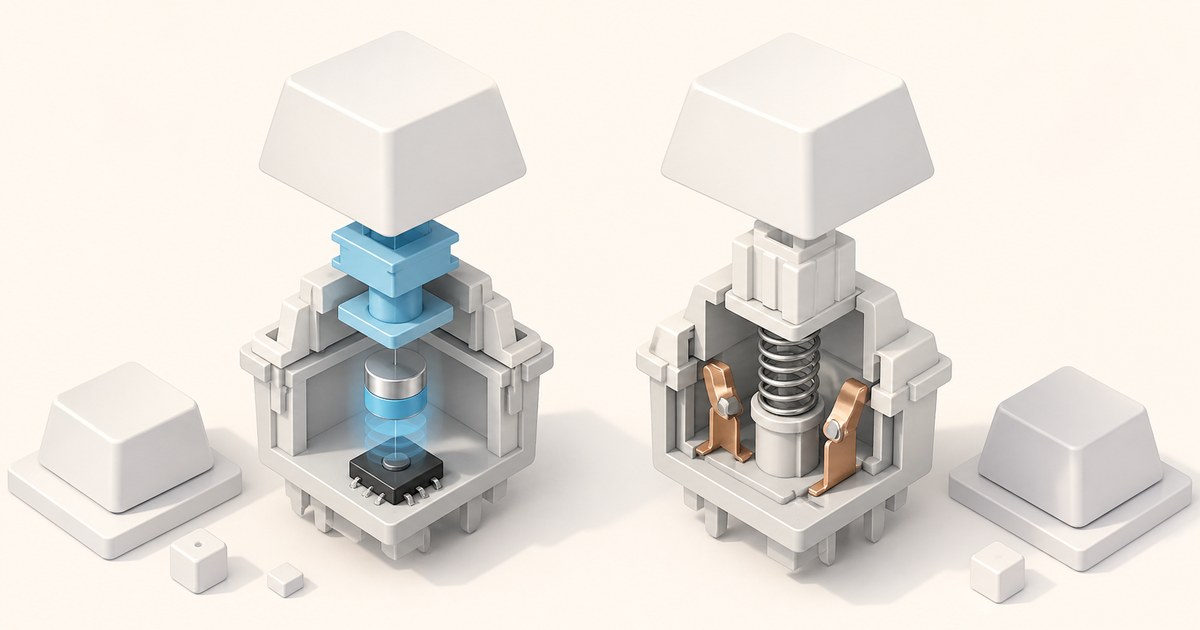
Hall Effect vs Mechanical Switches Compared
Hall effect switches sense a magnet instead of closing a contact. A spec-level comparison against standard me…
Choose two or three boards and compare keyboards side by side across layouts, switch options and build specifications.

Low profile mechanical keyboards compared for 2026: NuPhy Air75 V3, Keychron K3 Pro and Logitech MX Mechanical Mini, on specs and firmware.
Read the article →Hall effect switches sense a magnet instead of closing a contact. A spec-level comparison against standard me…
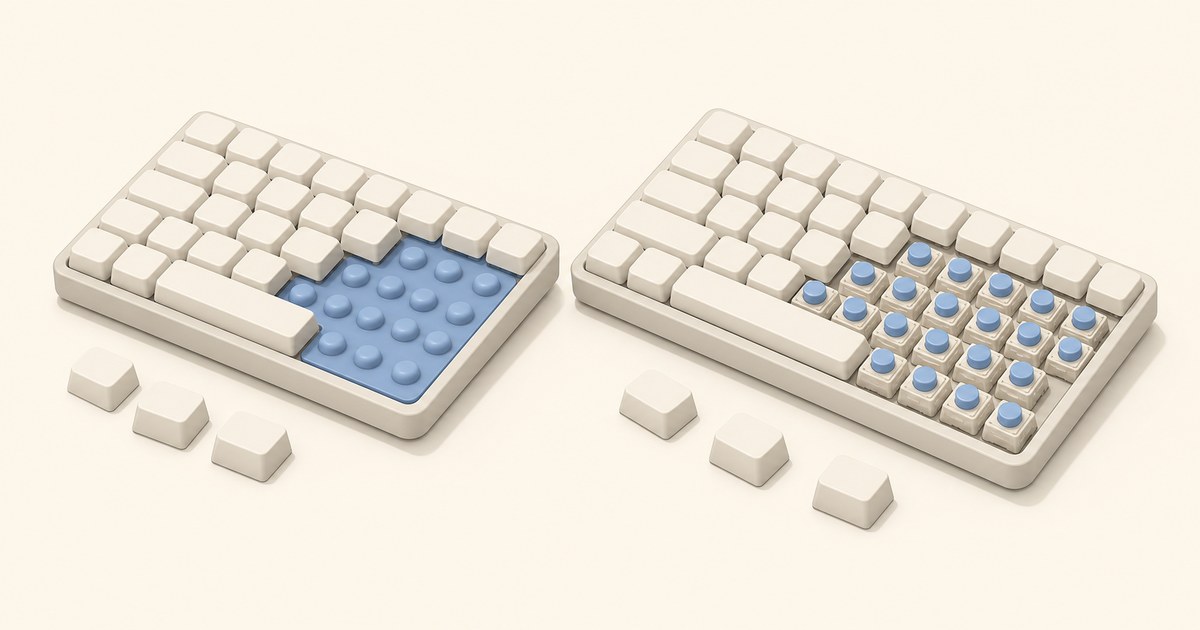
Membrane and mechanical keyboards differ in how a press registers, rated lifespan, key rollover and repairabi…
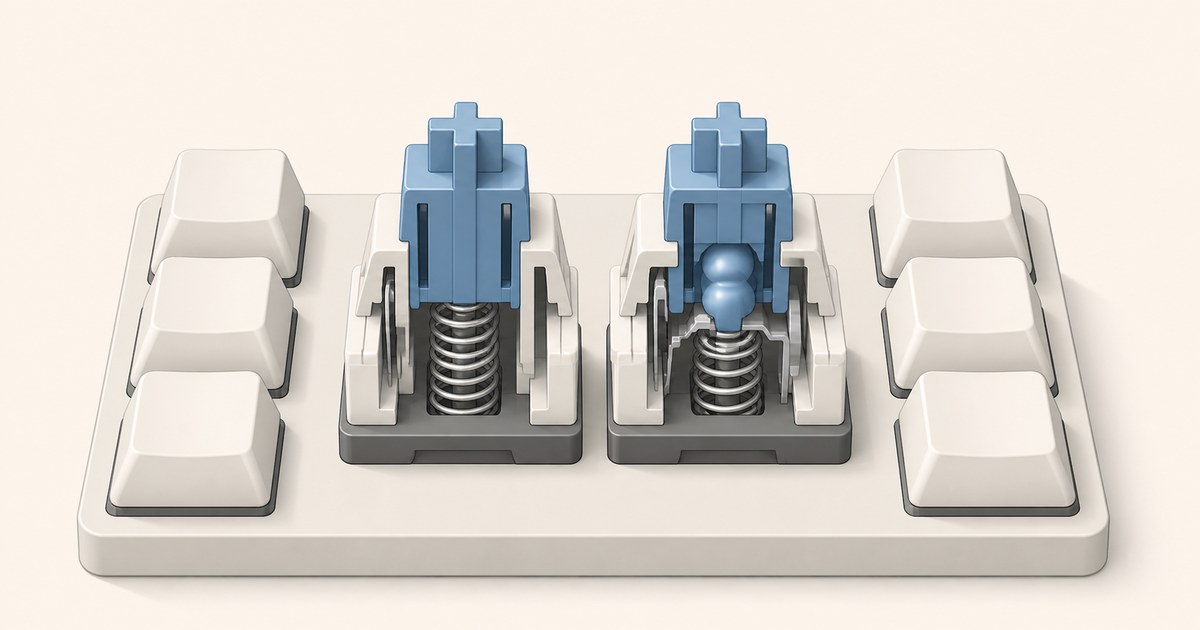
Linear vs tactile switches for gaming, judged on the specs that move the needle: reset distance, repeated pre…
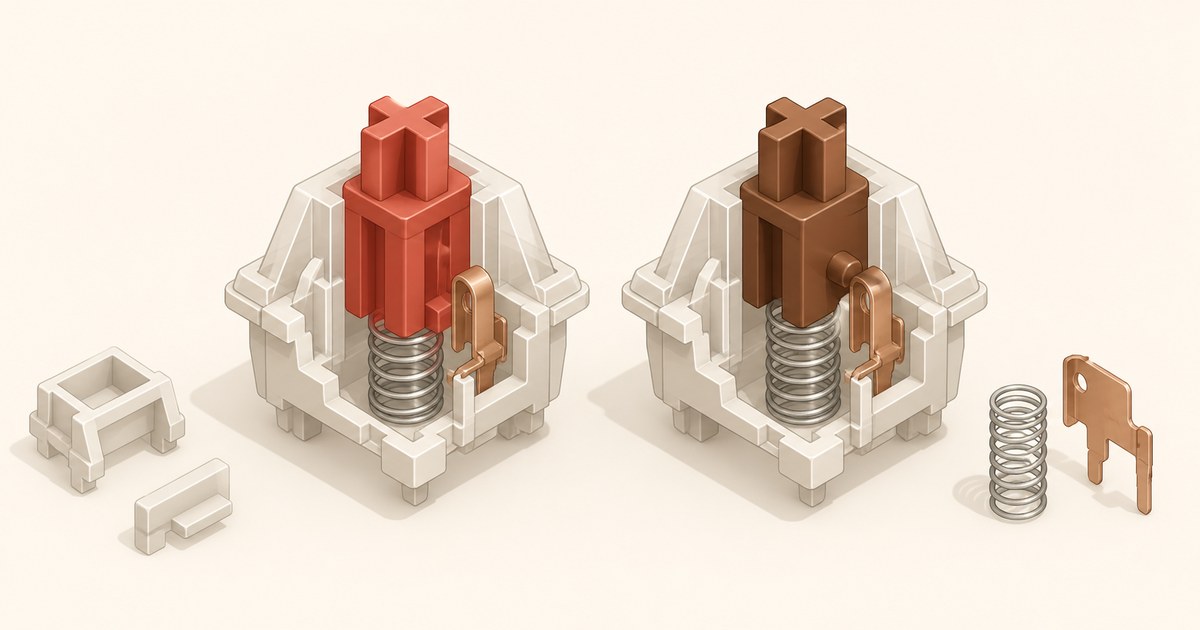
Red and brown switches look identical on paper, same travel and close actuation force, but they feel complete…
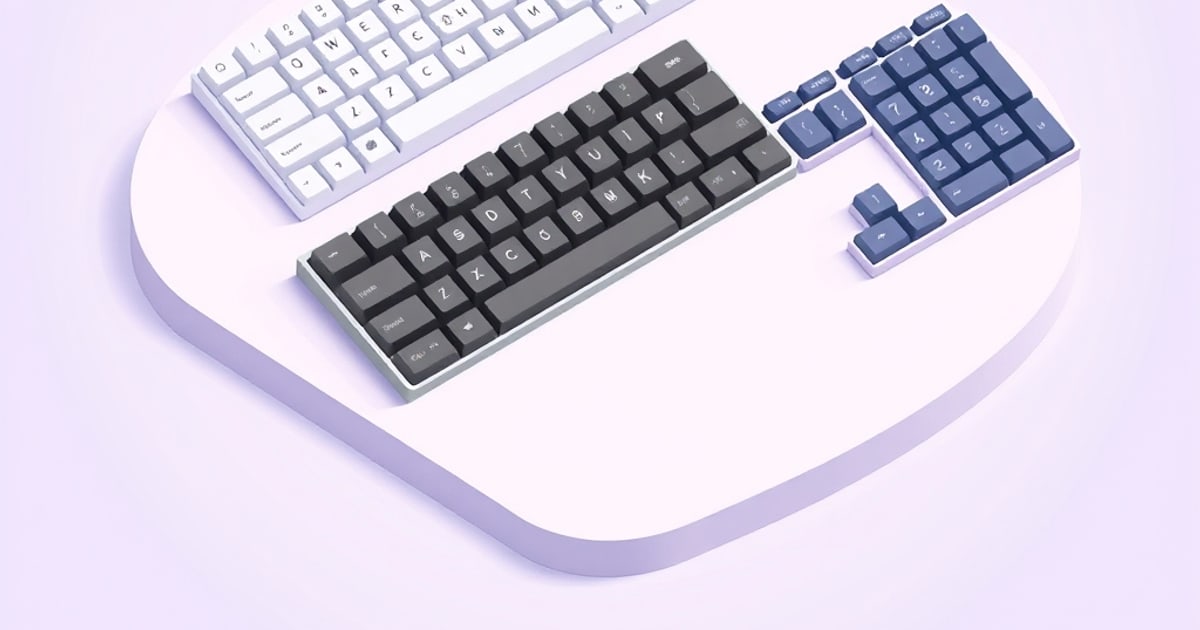
Case material is the most under-discussed part of how a keyboard sounds and feels. An honest comparison of al…
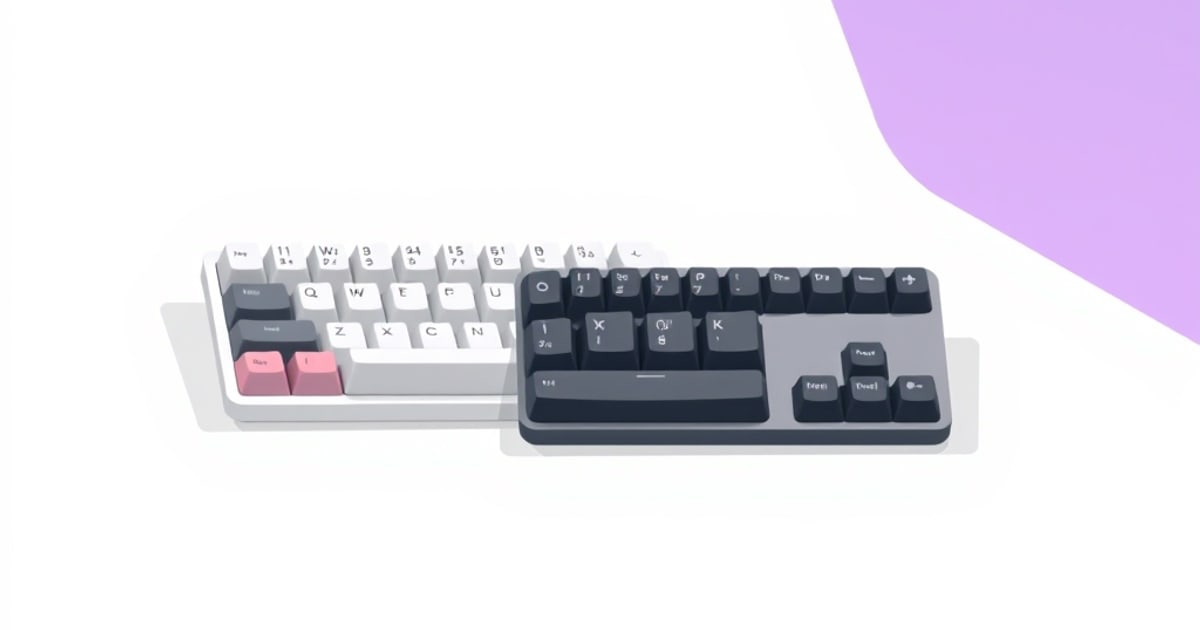
Cherry, Gateron, Kailh, and the newer boutique makers all sell 'red,' 'brown,' and 'blue' switches — but the …
Start here
Buying a mechanical keyboard is not one decision, it is about eight of them, and the specifications that decide each one are rarely the ones on the box. Each guide below takes a single choice, sets out what the published specifications actually say, and is explicit about where the answer is a matter of preference rather than fact.
Pick two or three boards from 41 tracked models. Rows where they genuinely differ are highlighted, and a plain-English verdict is generated from those differences alone.
More in the full archive, grouped by subject on the topics page and all tags.
Keyboard Comparison publishes focused, sourced guides on a single topic. No paywall, no account, no ad tracking.